Multiple countries
 Vietnam
 Laos
Laos Thailand
 Cambodia
 Myanmar
 Singapore
 Malaysia
 Indonesian
 Japan
Japan China
ChinaResume
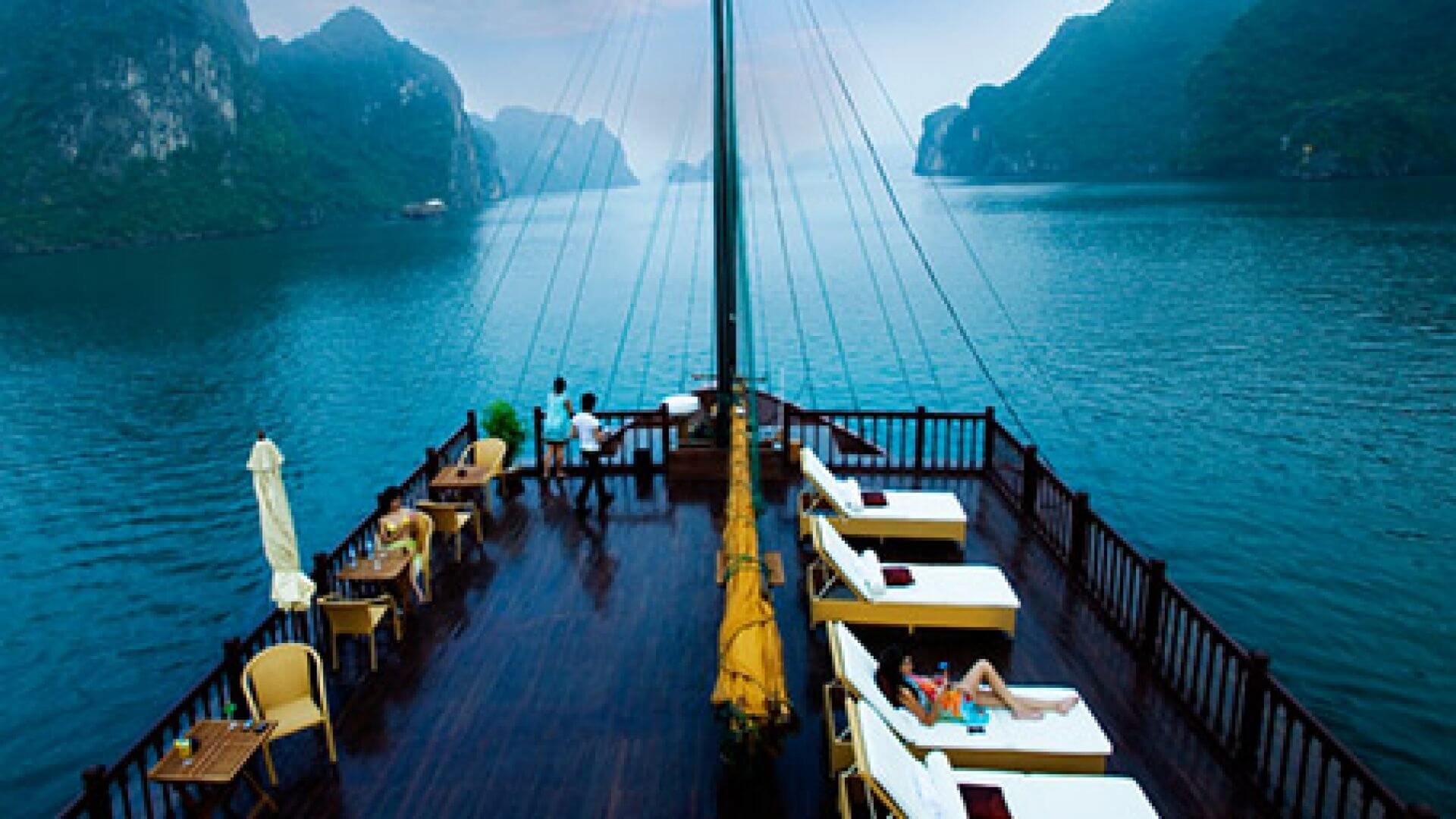
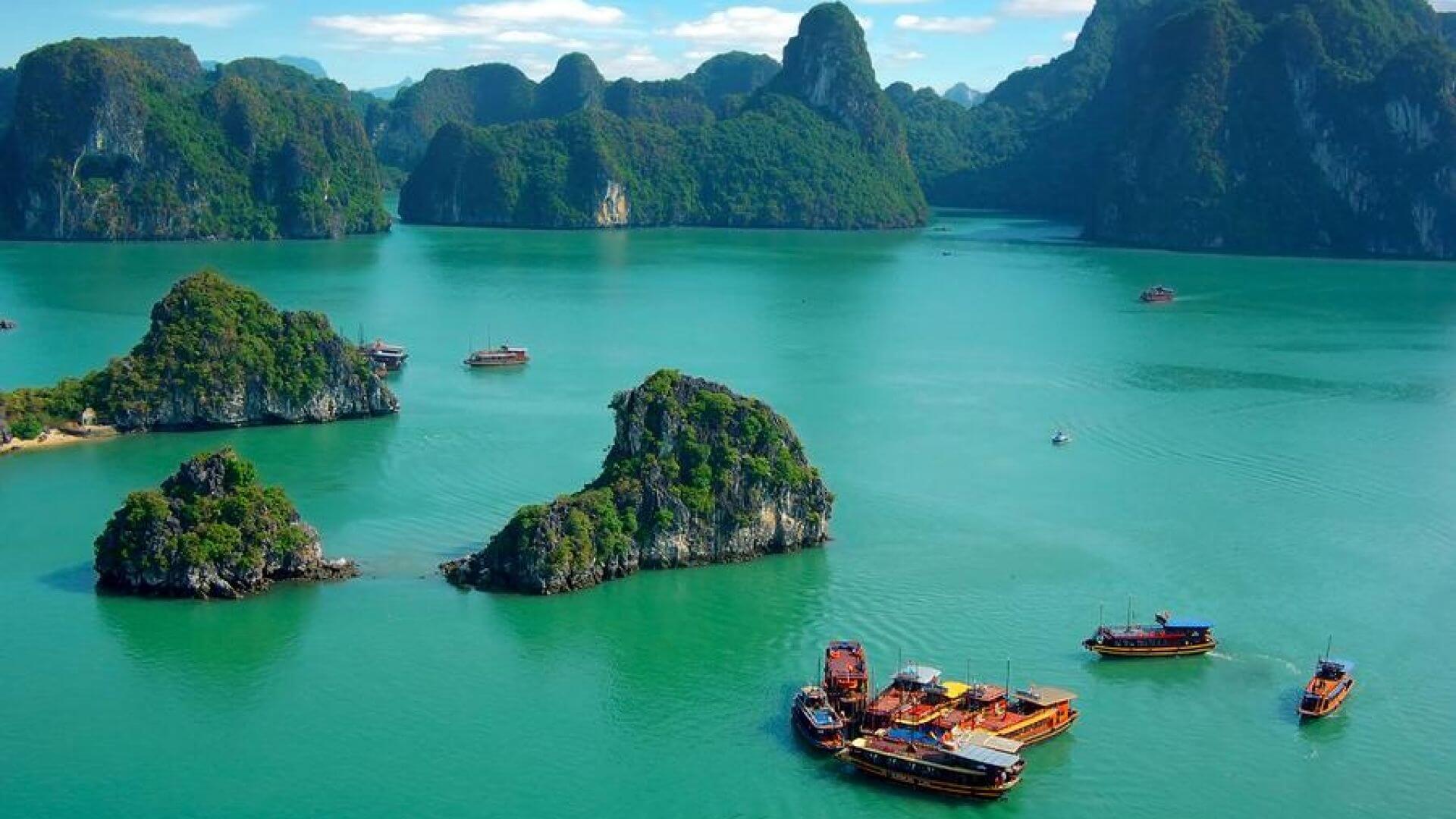
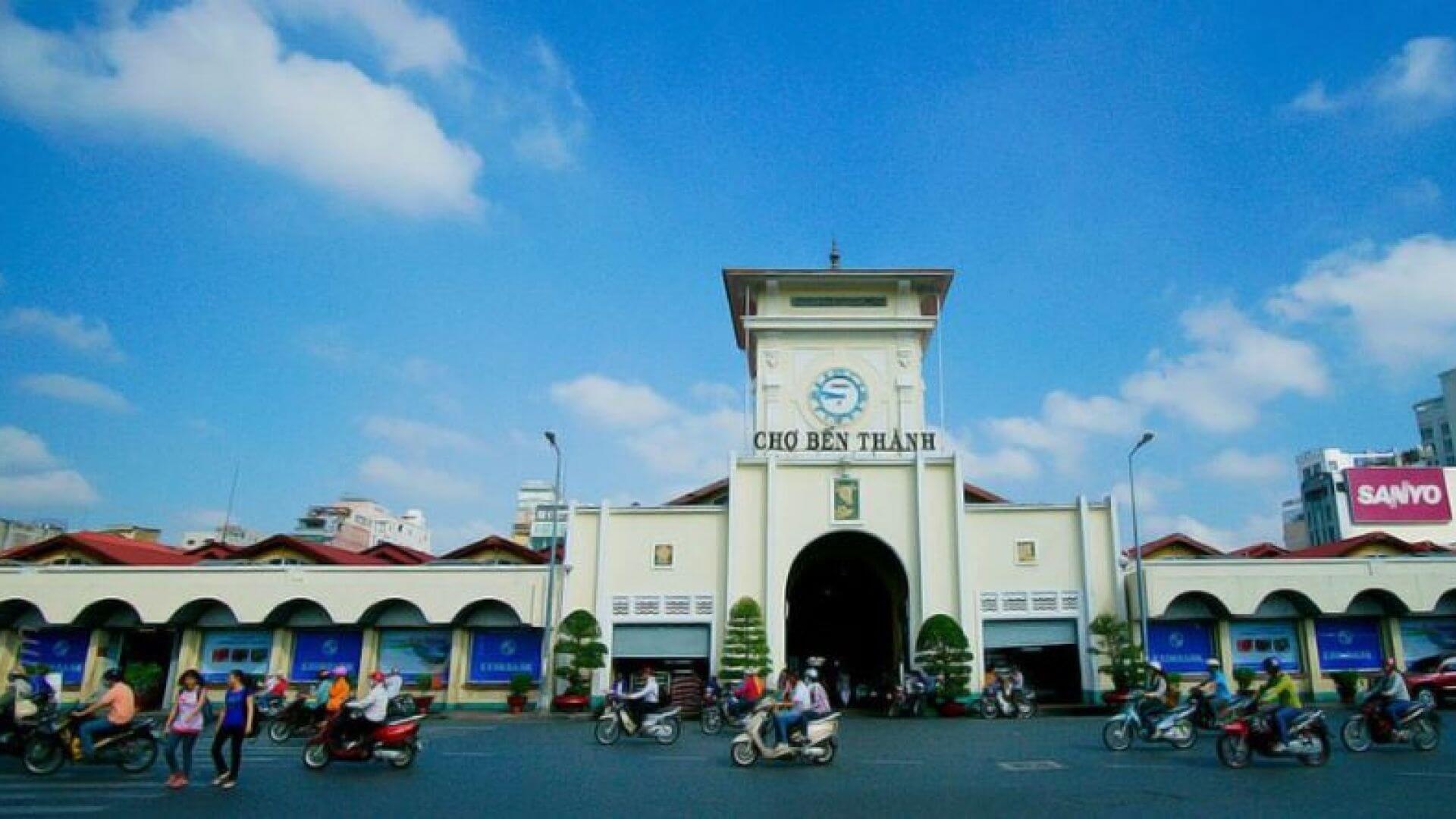
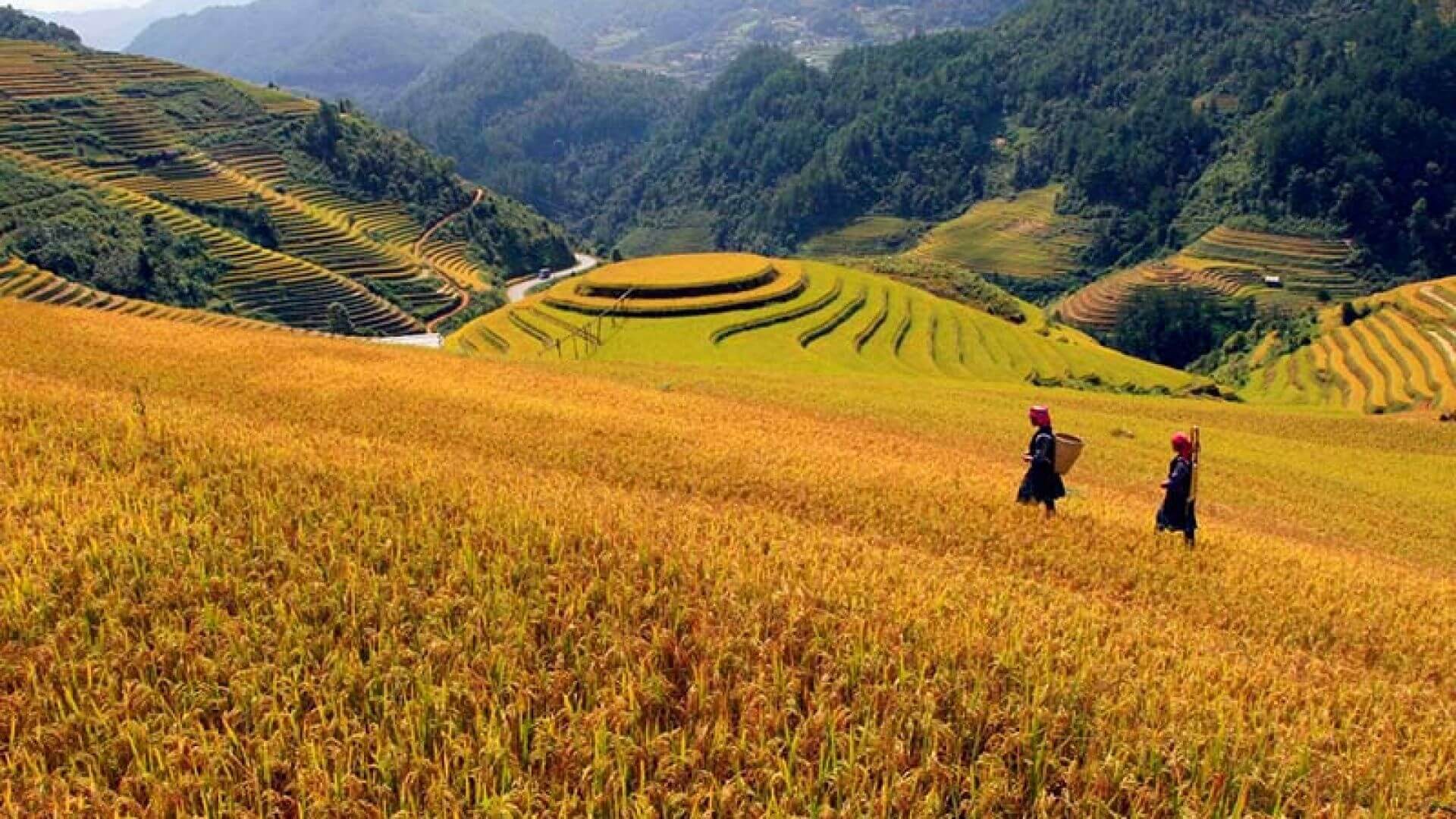
Vietnam It is a small, majestic country, offering travelers an exciting mix of adventure and culture. The country’s captivating natural wonders stretch from the mountainous north and fertile plains of the Mekong Delta, on the spectacular coast of central Vietnam and the imperious Halong Bay. With an intriguing history spanning over 4,000 years, including occupations by both the Chinese and French, strong cultural influences can be found in the architecture and gastronomy.
Socialist Republic of Vietnam
Population: 90.5 million
Capital City: Hanoi (6.5 million)
Ethnic Minorities: 53
Time Zone: GMT 7
CURRENCY: Vietnamese Dong (VND); ATMs and money exchangers throughout the country. USD widely accepted. As of February 2014: 1 USD = 21,500 VND
PASSPORT & VISAS: Most citizens require a visa to enter Vietnam, and all travelers must have a passport valid for at least six months after their intended departure from Vietnam. Visa on arrival service is available; please contact Viajeindochina in advance to arrange all necessary permits and documents.
BEST TIME TO TRAVEL: Without a doubt, the weather is one of the determining factors in your travel decisions. If you’re going to Vietnam, then take your time when making your decision. Vietnam’s climate isn’t just sweltering heat like what you’re often exposed to in movies. All year round, there’s always a perfect spot where it’s pleasant to be. Basically, the entire country falls within the tropics and subtropics, but its length and diverse topography allow it to encompass several different climate zones. The weather, therefore, tends to vary considerably from season to season and also from region to region. The North (Hanoi to Sapa):
• April to October: Temperatures between 30-35°C, with occasional bursts of heavy rain.
• December to March: Temperatures between 10-15°C.
• February and March can be humid with drizzle and cloudy skies. The Central Region (Hue to Nha Trang):
• Nha Trang: Sunny year-round, except for November and December, when the area experiences heavy rainfall.
• Dalat: Cooler than the coastal region, especially from November to March.
• Da Nang and Hue: Typhoons from mid-October to mid-December. The South (from Ho Chi Minh City to Phan Thiet)
• May to October: Hot and humid
• November to April: Hot and humid
ELECTRICITY: Vietnam primarily uses 220V, but 110V is used in some areas. A mix of flat and round two-pin outlets are used throughout the country. Getting there and away: Vietnam has three international airports: Tan Son Nhat Airport (Ho Chi Minh City), Noi Bai Airport (Hanoi), and Da Nang Airport. These airports are well-connected to major Asian cities, with increasing international connections.
TRANSPORTATION: Traffic in Vietnam is busy but slow. It may seem chaotic, but don’t be afraid to cross the street. Simply wave your whole hand across the road at waist level. You’ll soon see other people doing the same.
VACCINATIONS: Before traveling, ensure you are adequately protected against disease. Contact your doctor for the latest medical advice on required vaccinations at least two months before your departure. Please note that there is a risk of malaria in rural areas of Vietnam.
HOLIDAYS: Vietnam celebrates many holidays, but it is rare for shops to be closed. The exception is Tet, the Vietnamese New Year—officially a three-day holiday, but many businesses close for a full week. This is the busiest time of year to travel in Vietnam, and hotels, flights, and trains are usually full. 2012 Dates: January 22–25.
LANGUAGE: The national language of Vietnam is Vietnamese. In large cities and tourist areas, people may speak basic English. As Vietnamese has six different tones, it is a difficult language for most foreigners to speak, even though the Latin alphabet is used in modern Vietnamese writing.
HELLO: XIN CHAO
THANK YOU: CAM ON